
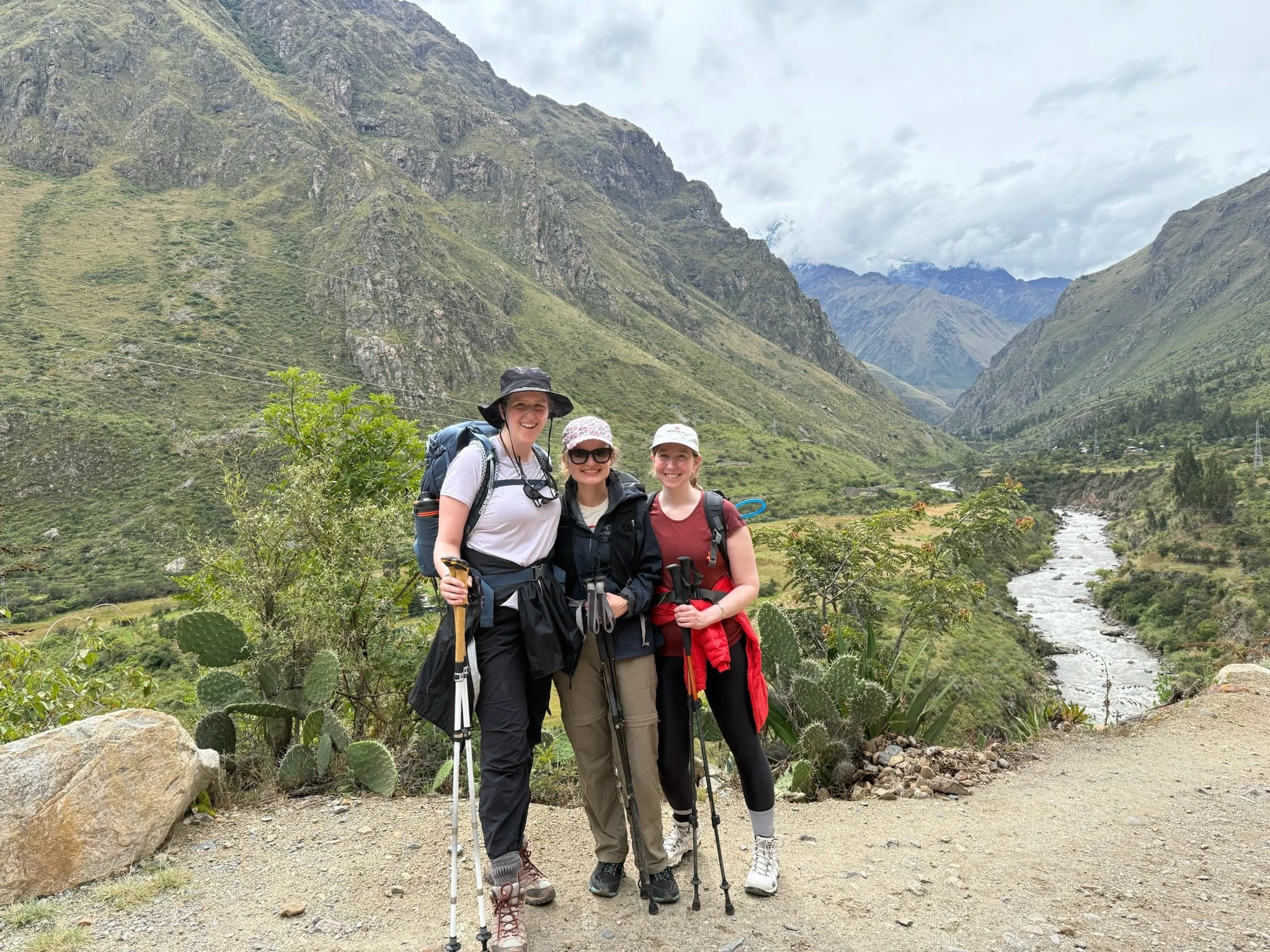
The Inca Trail is a journey that conjures up romantic images of lush jungle, ancient paths trod by legendary exploration figures like Hiram Bingham, and of course, mysterious Incan ruins that culminate in the ultimate mysterious Incan ruin– Machu Picchu. But once you’ve booked the trek and the flights and it starts to sink in that you’re actually doing the Inca Trail, the jungle and the paths and even Machu Picchu quickly fade to the background as a much more pressing question emerges: what am I about to do?
At least, this is what happened to me as soon as I received the news that our permits for the Inca Trail had been secured… I wouldn’t consider myself a “trekker” or “camper” by any means, and even hikes at the relatively low altitude in Madrid sometimes leave me panting for breath. So what on earth was I going to do at 14,000 feet trekking around a place called Dead Woman’s Pass?
Luckily, I can tell you now that every bit of the Inca Trail is surviveable, and most of it is enjoyable. But, going into it with a full understanding of what to expect, what to pack, and what to train for is essential. If you’re thinking about tackling this once-in-a-lifetime adventure anytime soon, read on!
How Long is the Inca Trail?
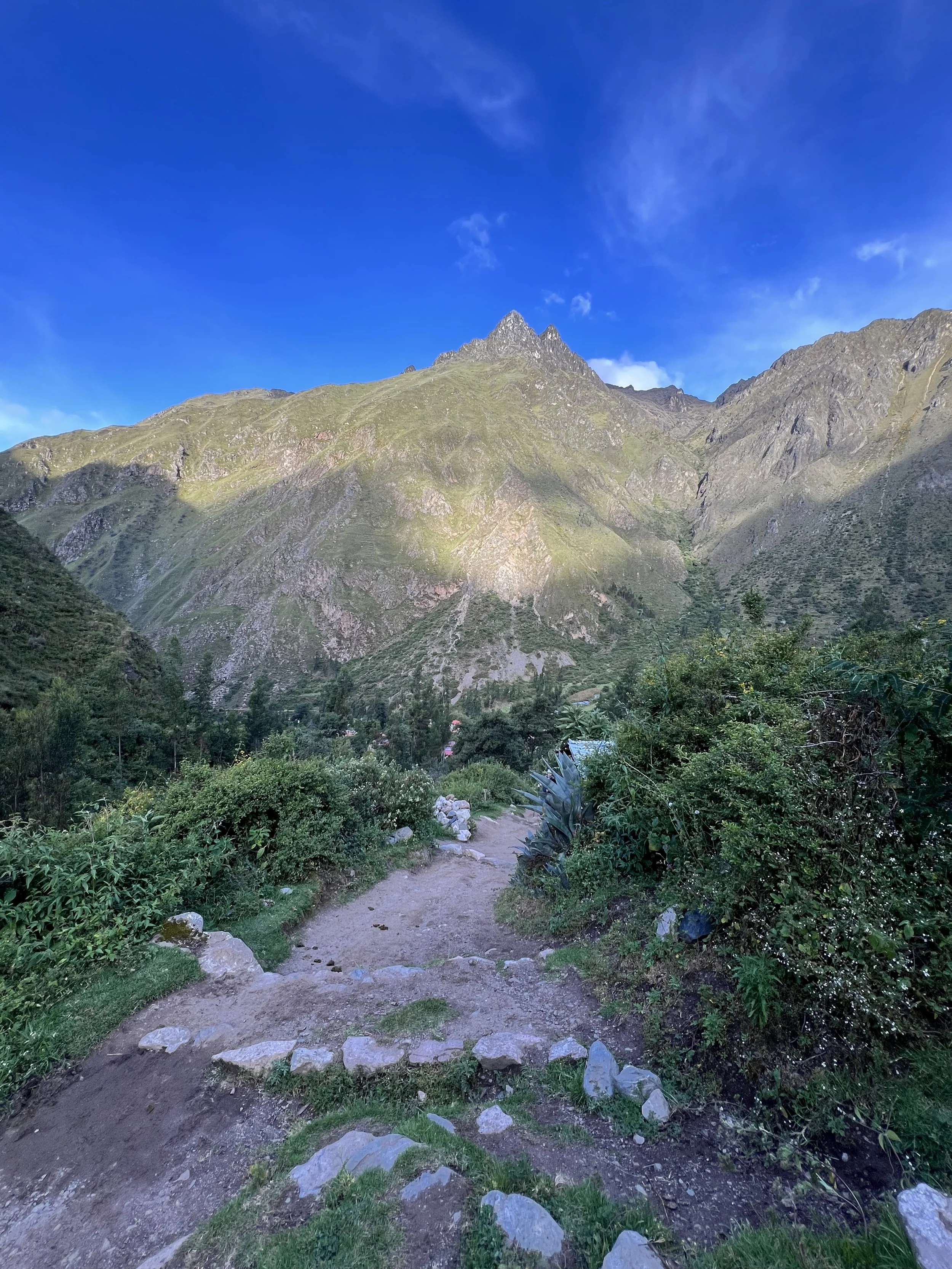
View from the end of Day 1.
One really nice thing about the Inca Trail is that to a certain extent, you know exactly what you’re getting; trekkers can only do the trail with licensed companies, and a maximum of 500 permits are issued for each day, including trekkers, guides, porters, and chefs. Whatever company you go with, the basics of the classic trek will stay the same: the Inca Trail stretches over 4 days, starts at Kilometer 82 in a town called Piscacucho, and ends at Machu Picchu. What can vary is how far you’ll trek each day, where you’ll camp out each night, and your start and finish times day-to-day– we had an altered route because of landslides earlier in April, which covered up part of the classic Inca Trail. This meant a shorter Day 3, a campsite change that changed my life (more on this below), and a longer, tougher Day 4. Keeping in mind that changes can be made on any Inca Trail itinerary, here’s what the typical trek will look like.
The Inca Trail, Day-by-Day
Day 1: “Training Day”
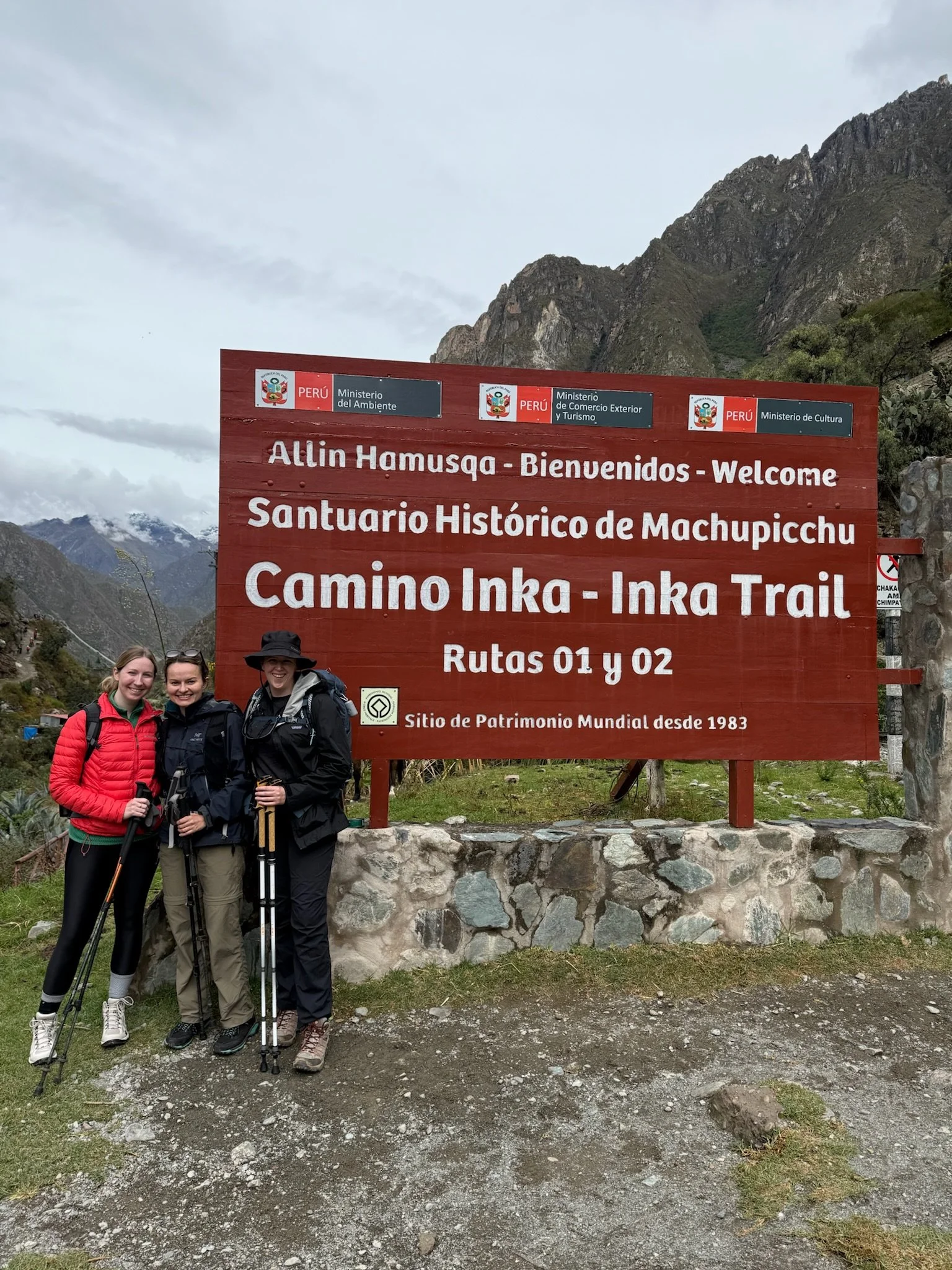
The three of us at the starting line of the Inca Trail.
Day 1 of the Inca Trail is labeled an acclimation day or a training day– an “easy,” comparatively flat and short hike that gets you warmed up for the days to come. What I didn’t expect was for training day to be more about training mentally for the next three days than physically (for me, at least). I’ve often struggled with the idea of being a slower hiker and have gotten frustrated when I couldn’t keep up with the speed demons zipping up the mountain, but Day 1 quickly forced me to get my priorities in line: the Inca Trail isn’t about finishing first or last– and frankly, it’s not even really about finishing at all. Okay, of course everyone wants to finish (and between 90-95% of trekkers do), but if your only goal is to see Machu Picchu at the end of it, you’re missing the entire point. I have to assume that Ralph Waldo Emerson was picturing me, plodding through training day, when he said “It’s not the destination, it’s the journey.”
Day 2: Dead Woman’s Pass
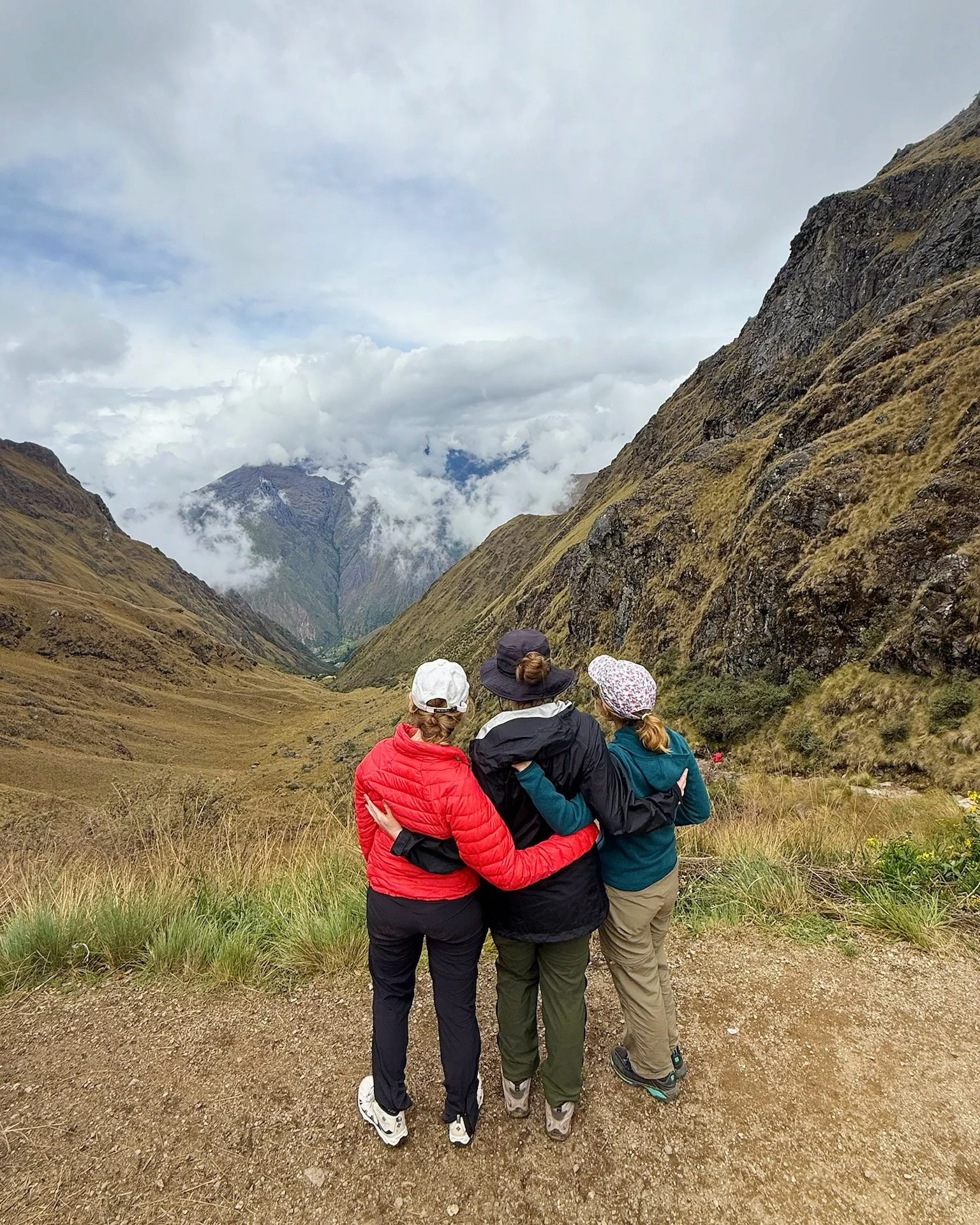
The three of us at the top of Warmiwañusqa (Dead Woman’s Pass).
There’s some iffy marketing at play here, because I imagine that at least 20% of people researching the Inca Trail immediately close all tabs and slam their laptop shut when they read that Day 2 involves an ascent to nearly 14,000 feet above sea level to a place called Dead Woman’s Pass. But let me assuage your fears– the name is just a very creative description of the form of the mountain towering above you, almost like a woman in repose. And let me go a step further: armed with my PMA (positive mental attitude, something you’ll hear a lot about on the trail), fueled by coca tea, and pushed forward by our unfailingly positive guides Nestor and Liz, I actually found Day 2 to be mentally easier than Day 1. Physically, there is just no way to get around what it feels like to be at 14,000 feet above sea level, but if you can put one foot in front of the other (no matter how slowly), you can make it to the top of Dead Woman’s Pass.
Once you do, you’ll snap some photos with your group, grab a snack, drink some water, and start to descend; even with altitude sickness medication, you’ll start to feel the headache and dizziness coming on if you stay for too long.
Day 3: The Cloud Forest
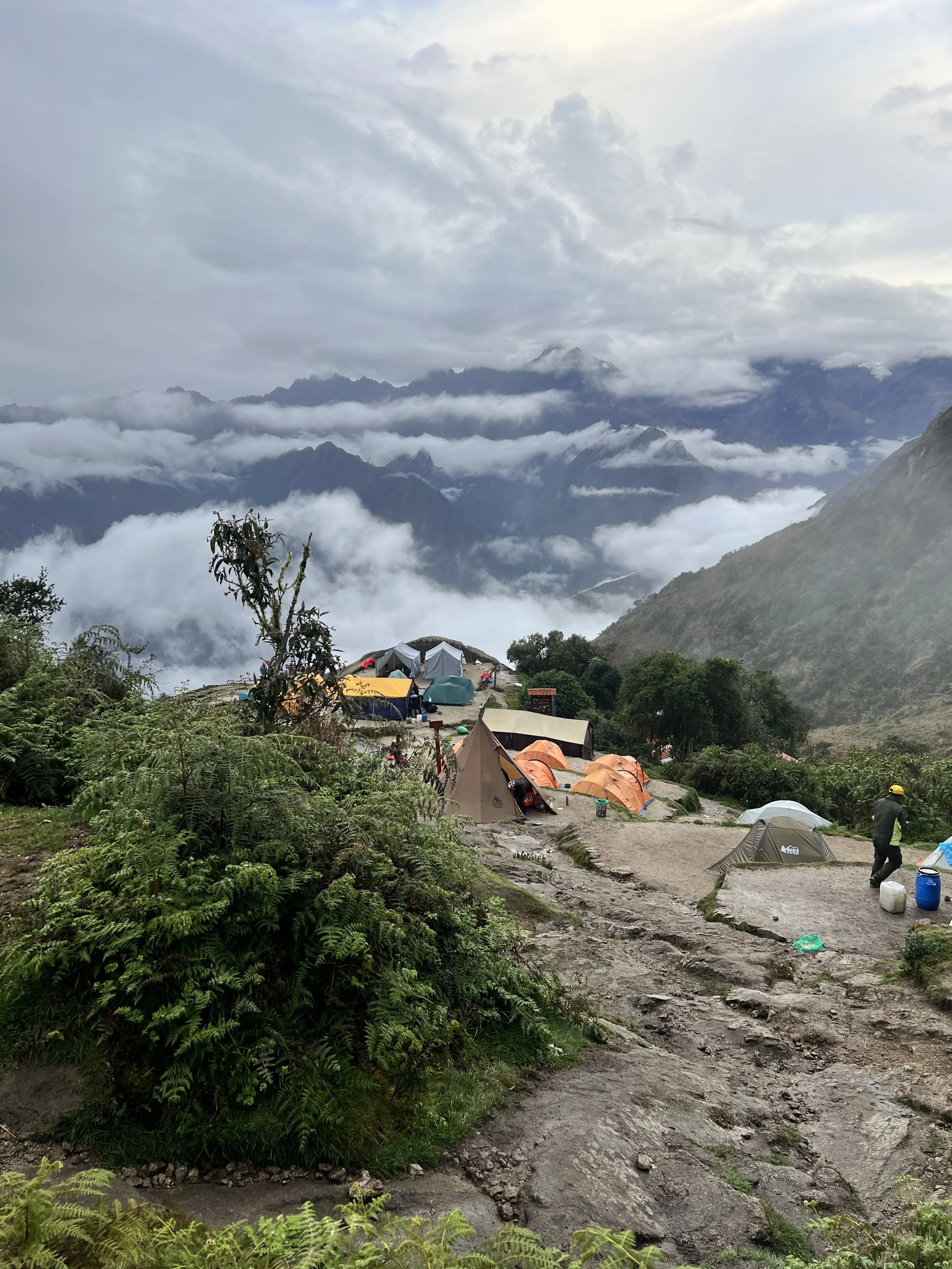
Phuyupatamarca— “the city above the clouds” campsite.
Day 3 is just a delight of a trekking day– you have some challenging runs up and down through more mountain passes, but the toughest elevation and ascent is behind you. The day is sprinkled with otherworldly cloud forest views and stunning Inca ruins like Sayaqmarca– “Inaccessible Town” in Quechua. Because of the recent landslides on a final section of the Inca Trail, we made our final stop for the day at Phuyupatamarca– “City Above the Clouds.” Finally, a name that really tells us what we’re looking at! Though there is no doubt that our alternate route made for a tough Day 4, getting to camp here overnight ended up being a core memory of the trek for me.
Day 4: What We All Came Here For!
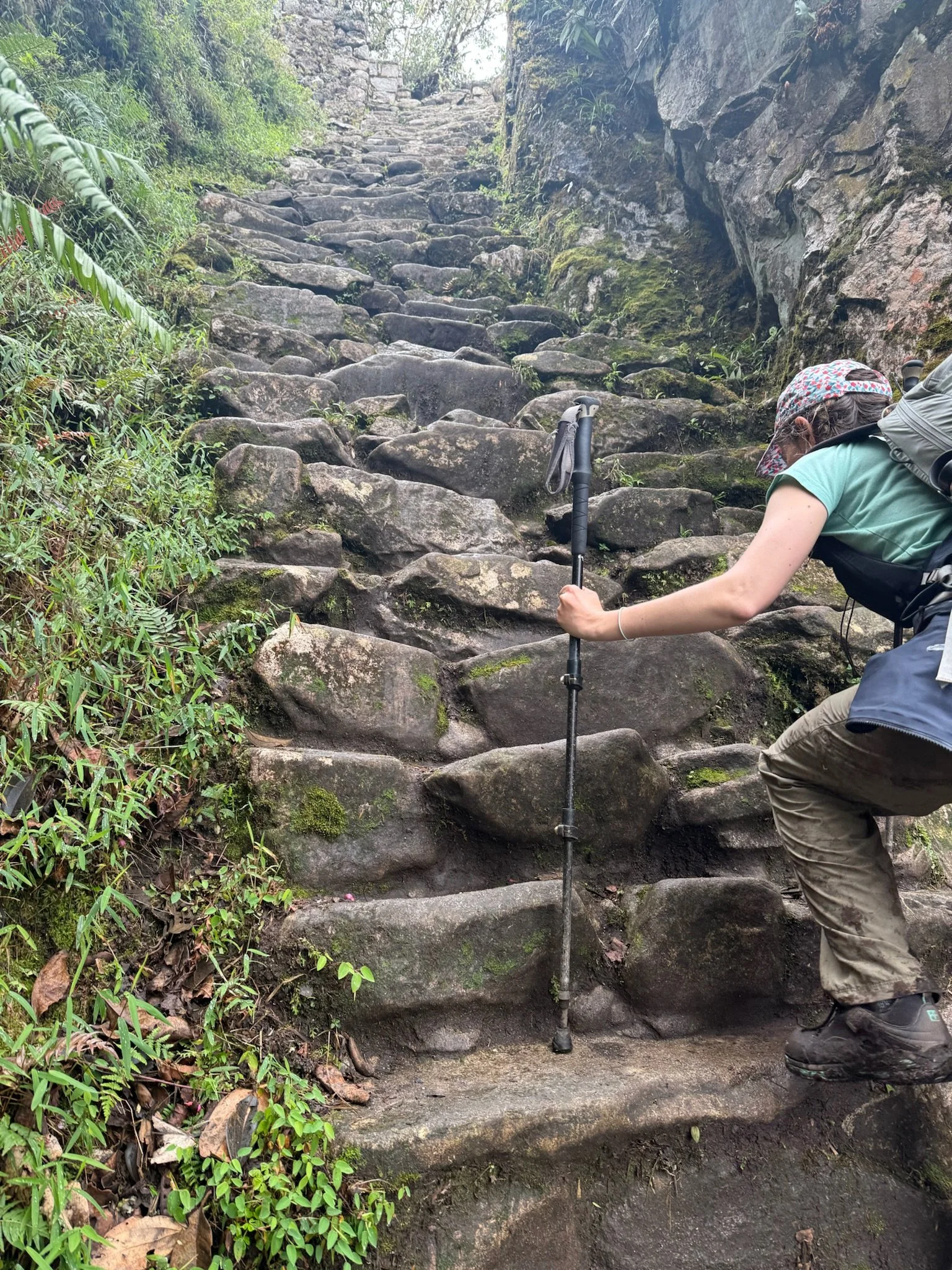
“The Monkey Steps,” also know as “The Gringo Killers”— last obstacle before the Sun Gate.
Ok, it’s all about the journey, but Day 4 is Machu Picchu day, and it’s hard to really think about anything else at that point. Unfortunately, we had to think about a lot of other things for the first few hours, because our alternate path from Phuyupatamarca to Intipata, while in theory also part of the vast network of paths that the Inca left behind for us, in practice was an unrelenting 3-hour slog through knee-deep mud. When our guide told us on Day 2 that Dead Woman’s Pass wasn’t going to be the most difficult part of the trail, I thought he was just instilling that positive mental attitude in us; when Day 4 rolled around, I understood that what he really meant was that this would be the toughest part.
On a more positive note, chances are that by the time you do the Inca Trail, things will be back to normal and you’ll have a pleasant jaunt to the Sun Gate, with only a single staircase standing in your way to your possible first glimpse of Machu Picchu. The stairs are called the Gringo Killers, but don’t let that stop you. Our guide wisely did not warn us when the Gringo Killers were coming up, and by the time we reached the first step, he was gently ushering us up. I didn’t understand the full extent of what I’d just climbed until my friend shared a photo she snapped at the bottom afterwards.
After this, there is really nothing holding you back! From Intipunku (the Sun Gate) to Machu Picchu, you’ll enjoy a lovely walk that is a cakewalk after the last 3.5 days. Whether you catch your first glimpse of Machu Picchu right at the Sun Gate or farther along the path, stop for a moment and soak it in– when I saw it for the first time, I was struck not just by the sheer fact that I was seeing a wonder of the world, but by what my friends and I had accomplished to get to that point.
Inca Trail FAQs:
What Kind of Terrain Should You Expect?
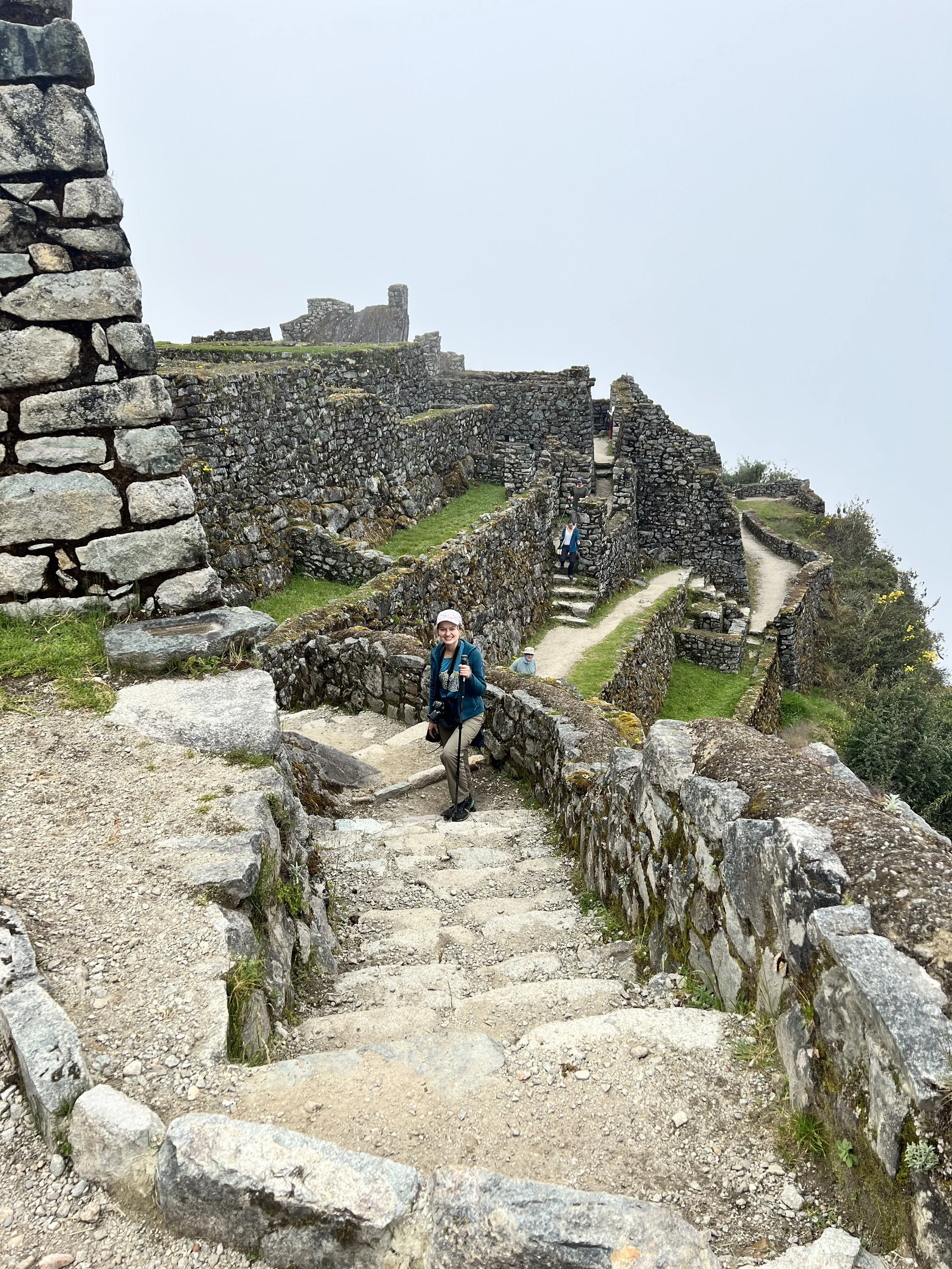
Incan ruins on Day 3 of the Inca Trail.
Those of you who want the nuts and bolts of the trail, start paying attention here. The terrain on the Inca Trail varies, but first and foremost, expect stairs, stairs, and more stairs. You’ll climb up and down so many stairs that you will start to look at flat paths as a gift from above. While I’d take this a million times over knee-deep mud, do keep in mind that when wet, the stairs can be a bit slippery, so it’s important to wear good shoes and pay attention all the time. There were a couple of points along the trail that were steep and slippery at the same time, which made them tricky, but overall the trail isn’t technically difficult.
What are the Campsites Like?
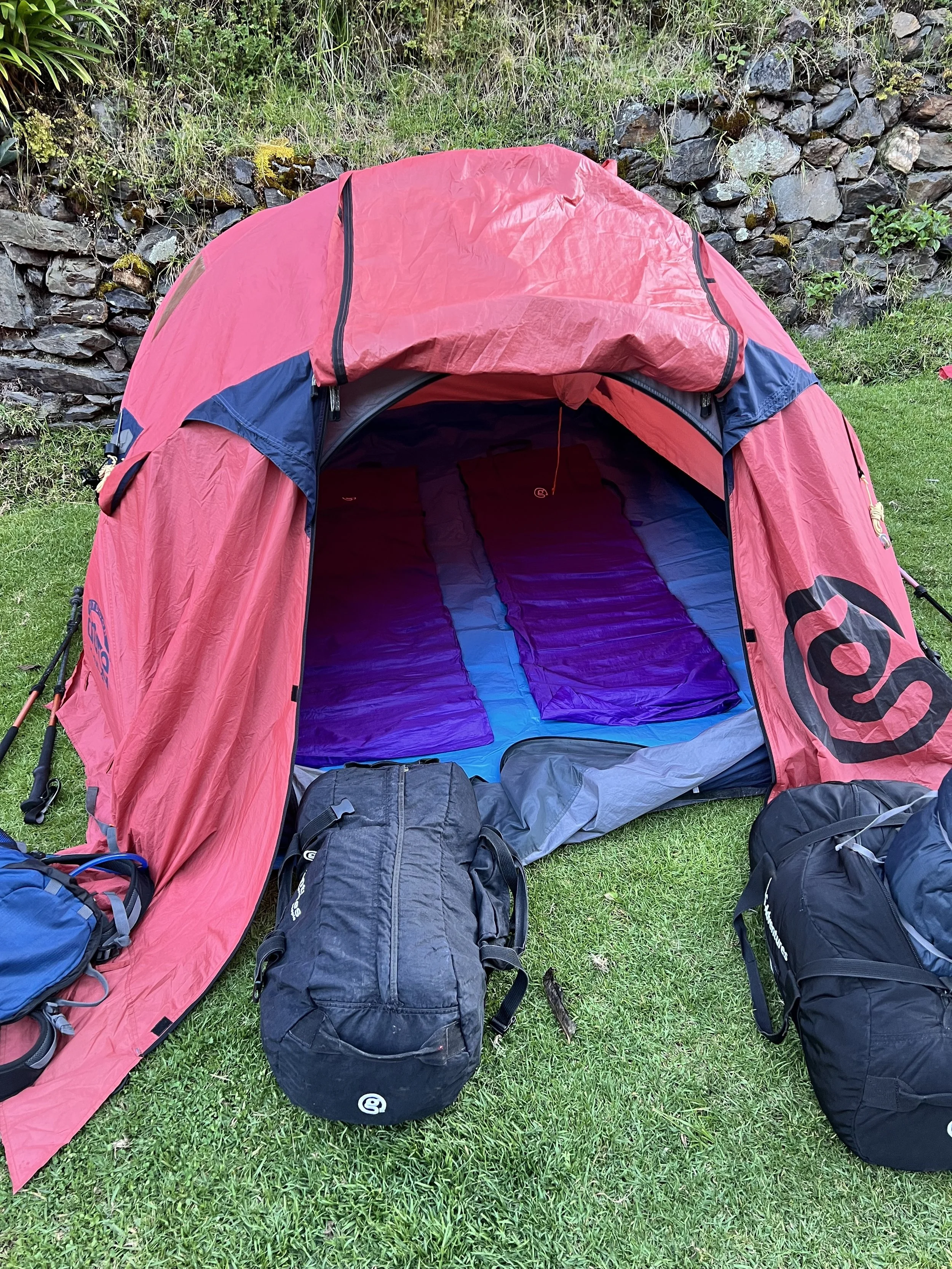
Our tent setup— duffel bags, day packs, mattress pads, and sleeping bags shortly after.
This was a surprise to us– we had the impression from our own research prior to hiking the trail that the campsites would have no running water, no bathroom facilities, and no showers. In actuality, our first two campsites had bathroom and shower facilities (the first supposedly with hot water, the second with just cold water), and even at the third campsite we had a “toilet tent.” Not living in luxury by any means, but better than a dark forest at night for sure! The first campsite also had a kitchen area for the chefs to use, while the last two campsites did not– those chefs worked some serious magic in just a tent! And that takes us to…
What is the Food Like on the Inca Trail?
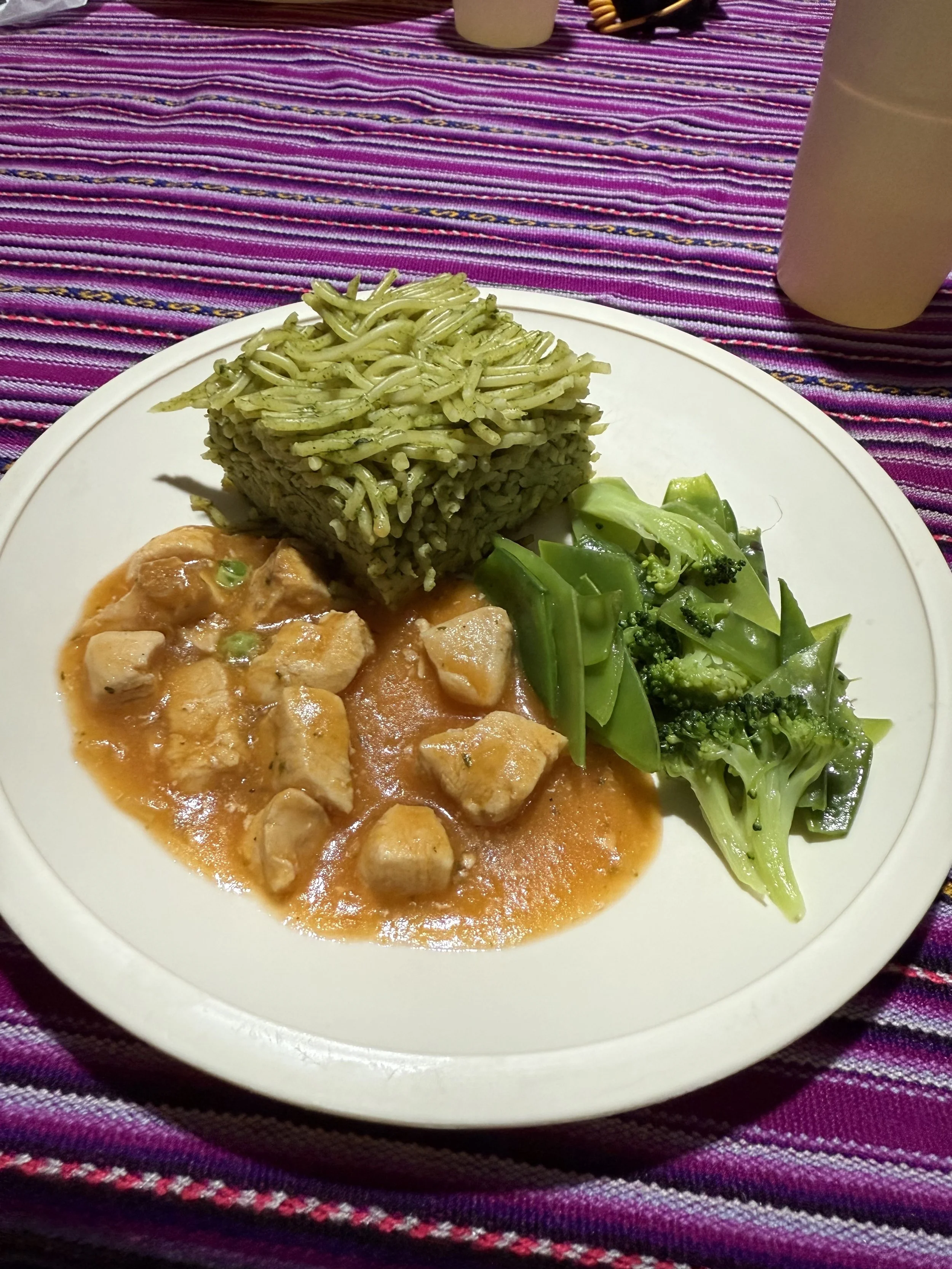
A typical lunch or dinner on the trail. Photo taken by Jordan Reeve.
No one is going on the Inca Trail to eat like a king, but I’d say given the circumstances, we got pretty close! What the chefs were able to do with just the most basic tools at their disposal at camp was pretty spectacular, including a birthday cake made without an oven for our fellow trekker. With the company we went with, you’ll be woken up in the morning with some coca tea, and you can have some more at breakfast. Breakfast varied each morning, but usually was some combination of protein like an egg omelet with some carbohydrate component as well. Lunch and dinner usually started off with a warm, hearty soup and progressed to plenty of proteins, carbs, and veggies, and even dessert at the end. Common dietary restrictions were handled fairly easily. You will not go hungry!
What We Wish We’d Known
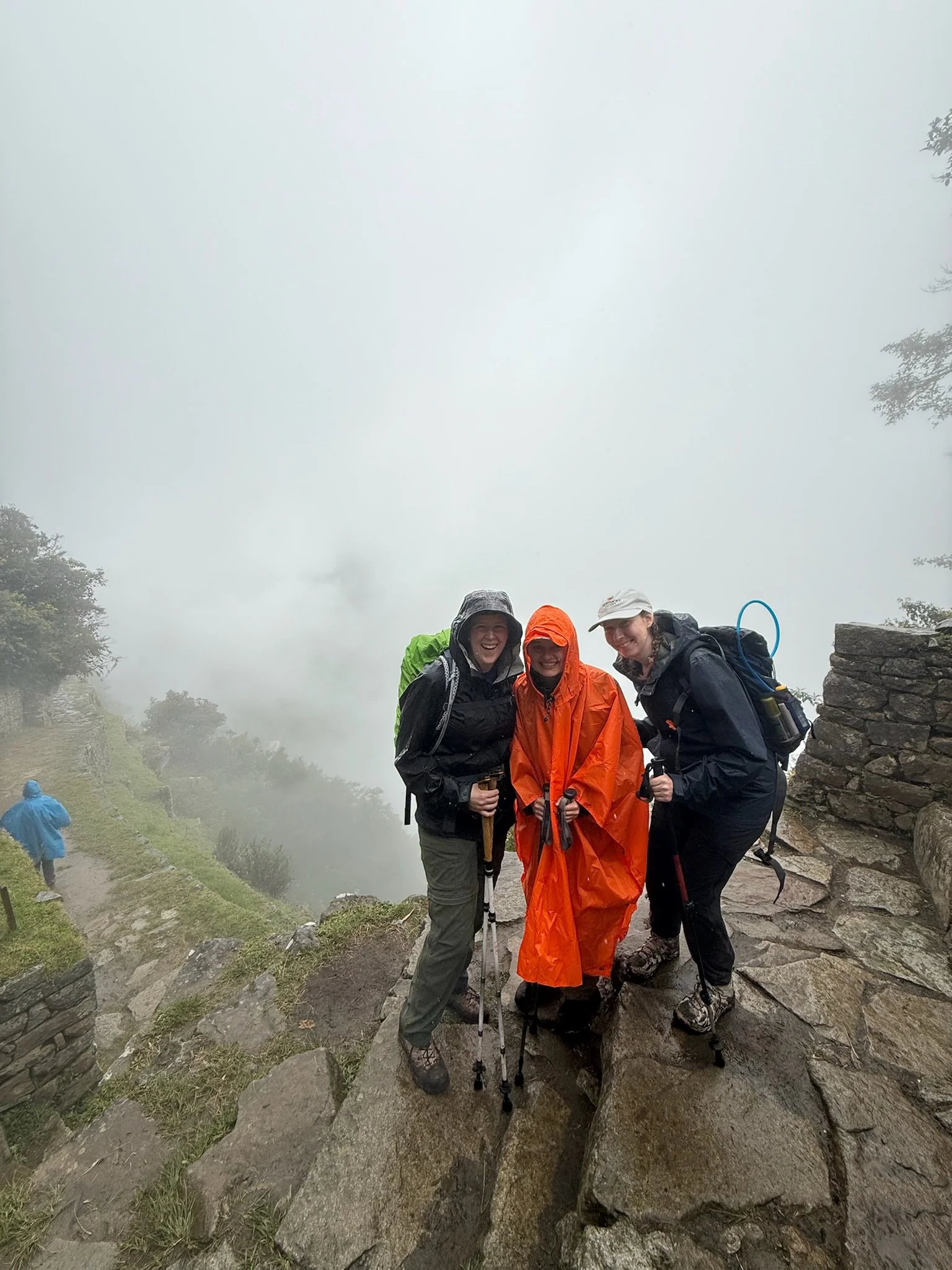
Our “first view of Machu Picchu” from the Sun Gate. If you don’t like the weather on the Inca Trail— wait 5 minutes.
I feel that we went in very prepared for the Inca Trail (that is part of the job, of course). We pored over packing lists, weight limits, and testimonials of others who’d finished. We made sure we had the clothing and gear for any weather or situation. But if we had to pick a few things that would’ve been helpful to know before going on the trail, it would’ve been the following:
Temperature fluctuations: You may feel very warm at times during the day, especially with the cardio you’re doing, but you will feel cold at night– bring plenty of warm socks, a hat, and warm pajamas for sleeping.
Unnecessary gear: Both of my friends brought special filtering water bottles and iodine tablets for purifying water, when the company we went with actually provided us with drinkable water the whole way through– that was weight that they could’ve left behind. Your travel advisor will be able to advise you on smaller details like this so that you don’t overpack.
Speaking of overpacking: One of my friends said particularly for overpackers– take your version of bare minimum and then get rid of more. She felt that she’d packed very light, but her bag was still a good bit overweight and she had to leave more than she planned behind at our hotel in Cusco.
Altitude side effects: One thing that surprised us was that the side effects of high altitude didn’t just hit us while active during the day at altitude, but also at night– our heart rate was higher than it would normally be at rest, and if you’re not expecting that, it can be a bit anxiety-inducing. If you’re already someone who deals with anxiety, knowing on the front end that you might have some of those anxiety-adjacent side effects like a racing heart just because you’re at altitude may help you feel less worried about while you’re trying to get some much-needed rest.
Is This Trek For You?
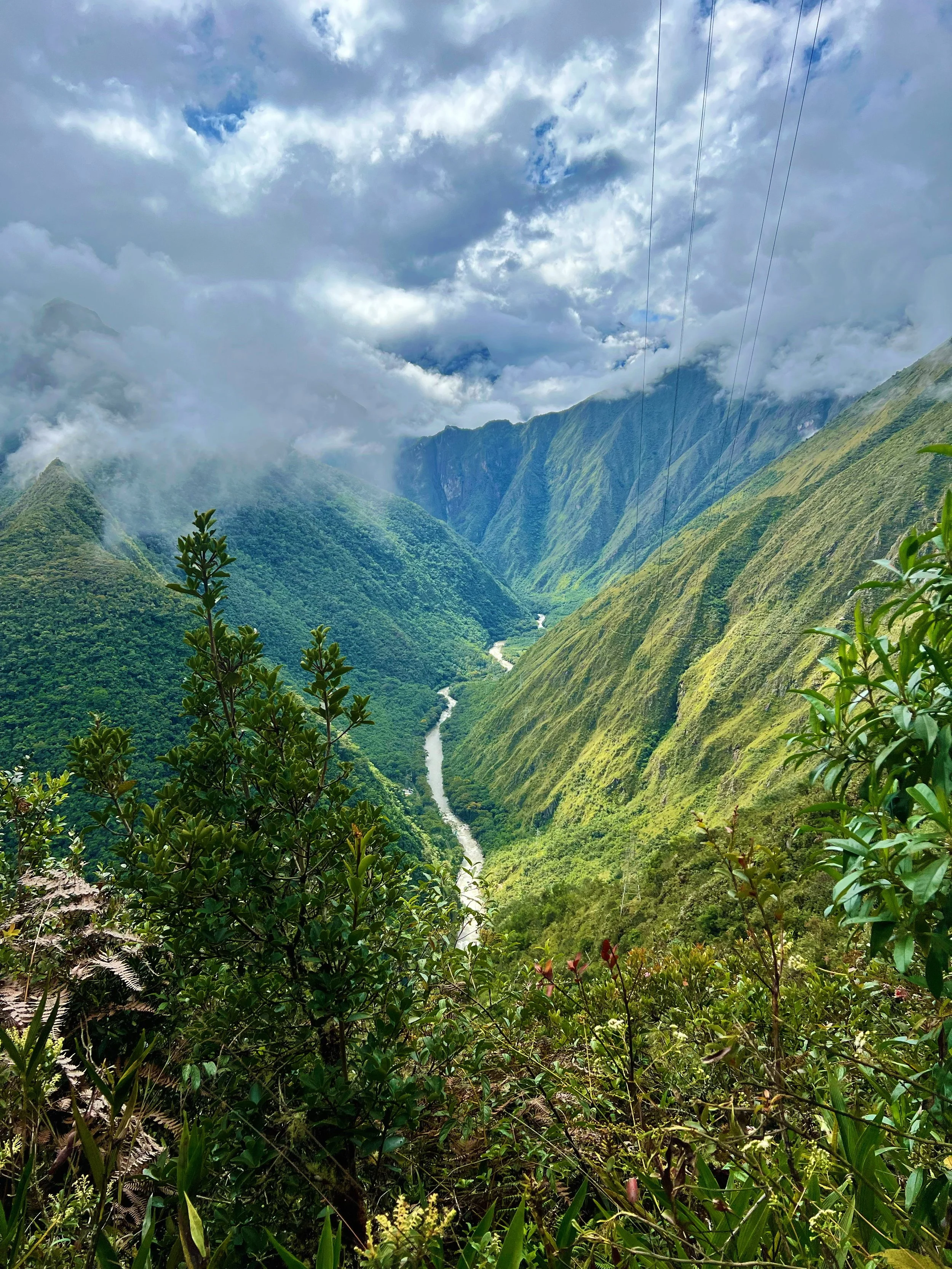
The view as we made our way closer to the finish line.
The Inca Trail is for you if:
You have a sense of adventure (or are open to cultivating one).
You are comfortable getting a bit uncomfortable and are open to meeting (and spending a lot of time with) new people.
You have a relatively standard base level of fitness– no marathoner or Ironman skills needed, but you should be able to go on at least a half-day hike wherever you live to feel up to the challenge here. If you’re not at that point, I’d recommend a bit of training before signing up. It will be a challenge no matter where your fitness level is, but that is not a bad thing, and you do not need to be an expert hiker to do the Inca Trail! You just need to be up for a challenge.
You are able to tap into your PMA– “positive mental attitude”-- by far the most precious tool I used on this hike, above cardio endurance or anything else. If you don’t have this skill, the Inca Trail will be a great place to try to learn it!
You enjoy a well-rounded trip including culture, nature, and active or physical challenges.
Was It Worth It?
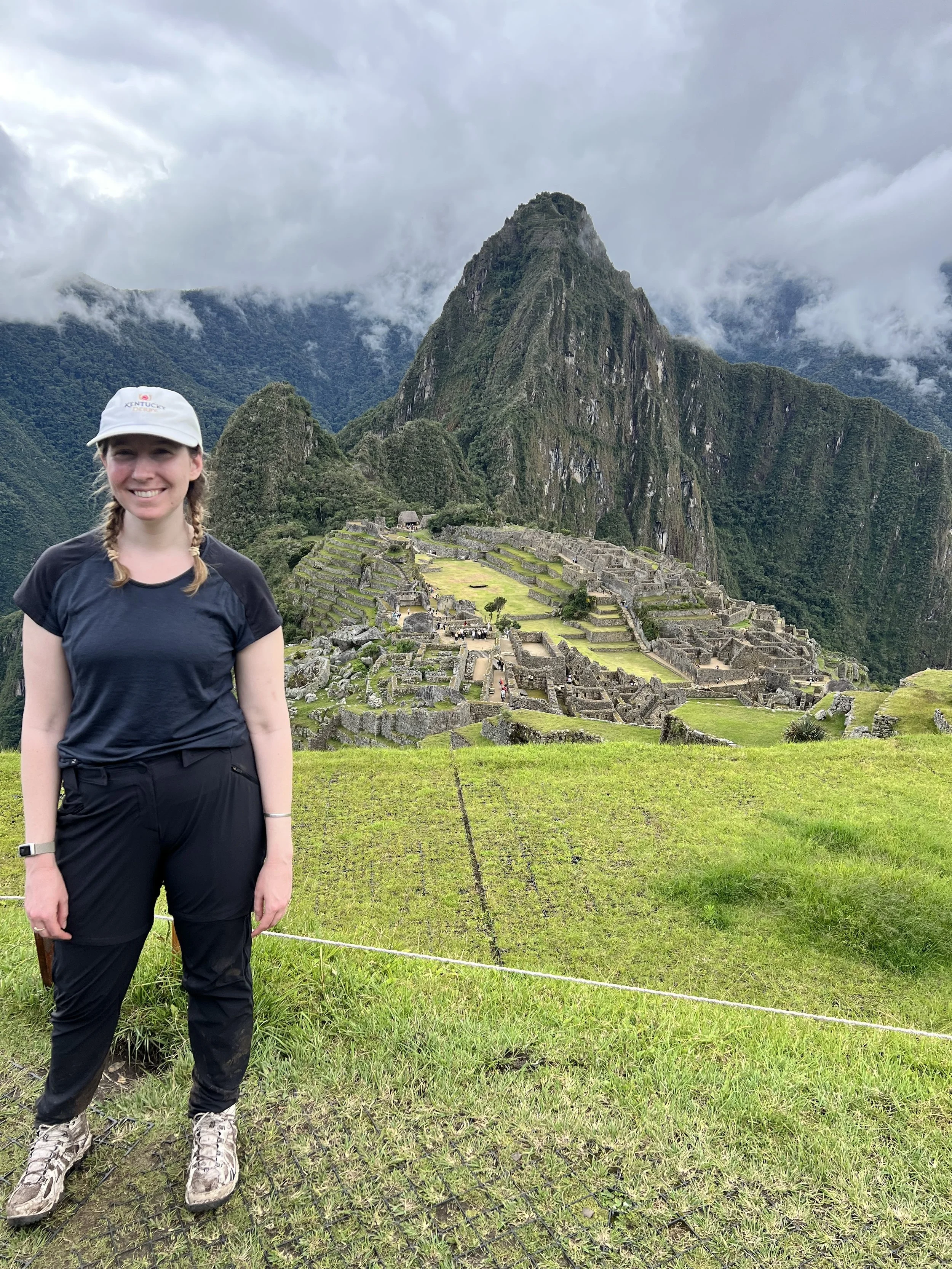
The finish line— Machu Picchu!
Of course, everyone will have a different answer to this, but among our little group, the answer was a resounding “yes” for many different reasons. As someone who’s never considered myself a “real hiker,” finishing the Inca Trail was a really turning point– I had a new confidence in what I was physically, mentally, and emotionally able to accomplish. One friend said that the effort and preparation she put into it for the months leading up to it was an excellent skill-builder, and the push to go “off-grid” for a few days with lifelong friends was a privilege she felt really grateful for. And apart from the physical challenge, the opportunity to take a trip that combined history, culture, flora and fauna, and stunning scenery is once-in-a-lifetime.
Ready to Plan Your Inca Trail?
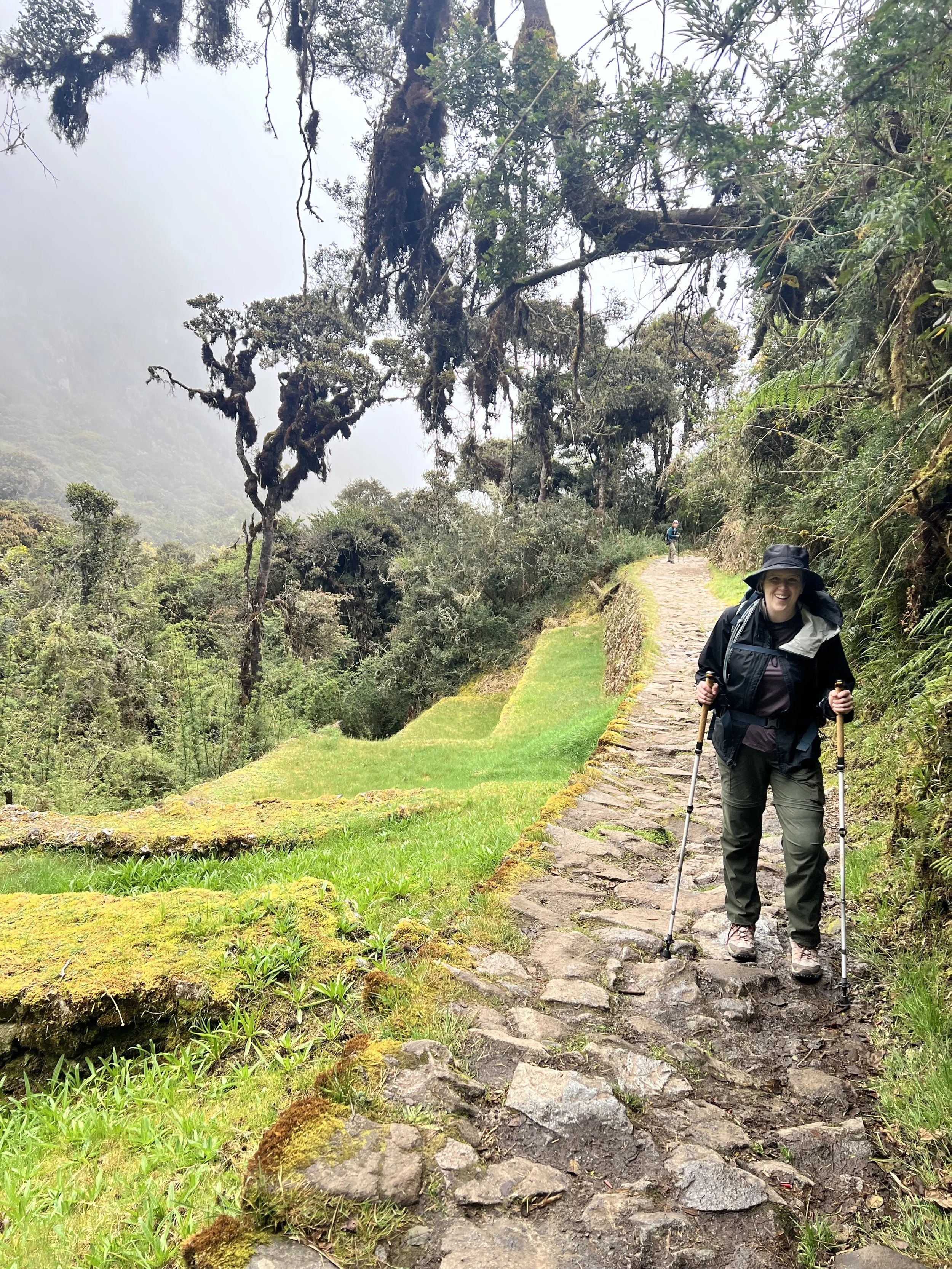
Trekking through the Cloud Forest.
Permits are limited to 500 per day (including all porters and guides), so if this sounds like the kind of adventure you’re up for, it’s important to plan ahead. If you’re curious but have questions, reach out and let’s talk it through. We’ll help you decide if it’s right for you and take care of all the details!
Not your kind of trip? Check out other Duende-favorite destinations like Norway, Mallorca, or southern France.